US Classic Car Parts: Availability & Procurement
Why US classic car parts are often hard to find, how original parts differ from reproductions, what you need to consider when importing from the USA, and how to reliably identify your part using the VIN.
Your classic US car runs great, until that one specific part gives up the ghost—the one no one has produced since 1978. You know the drill. The question "Does this even still exist?" is almost standard for American classics—and the answer is rarely a clear yes or no. We show you what the availability of classic US car parts is really like and how you can get your hands on that part anyway.
Why classic US car parts are so hard to find
For decades, the USA had huge production volumes and many series on the market simultaneously. That sounds good for spare parts supply at first, but it is only true to a limited extent. Many manufacturers stopped production of individual parts decades ago as soon as a model was dropped from the regular program. Suppliers disappeared, tools were melted down, and inventory was sold off or scrapped.
On top of that: Not every part that fits a 1972 Chevy also fits the same Chevy with a different engine or trim level. US cars had massive amounts of variations—depending on the factory, model year, and option codes. That is exactly why "year and model" is often not enough to identify a part reliably. Without precise vehicle data, you can quickly end up with a part in your hand that looks similar but doesn't fit.
Originals vs. Reproductions: What makes sense for your classic car?
With classic car parts, the question always arises: Original part (NOS – New Old Stock, or used) or reproduction? Both have their merits, but the decision depends on the vehicle and your standards.
Original NOS parts are usually more expensive and harder to get, but they are authentic—important if you are concerned about value retention or show quality. Used original parts are a cheaper alternative, but come with a risk of wear and unknown condition. Reproductions are now available in decent quality for many popular US models, especially for wear parts like seals, trim, or interior fittings. For structural or safety-relevant parts, we would still advise you to look closer instead of just choosing the cheapest option.
This is exactly where a personal check comes in: We look at what actually makes sense for your specific vehicle—not just what is currently in stock.
The best sources for classic US car spare parts
In practice, there are several ways to get parts:
- Specialized US reproduction manufacturers for common models (Mustang, Camaro, Chevelle & Co.)
- "Salvage yards" in the USA for original parts
- Classic car parts markets and clubs, both nationally and internationally
- Online marketplaces in the USA—but that is also the biggest source of error, because descriptions are often inaccurate
The problem is: these sources are usually not checked for compatibility with your exact vehicle. You have to research, compare, and ask follow-up questions yourself—in English, using US part numbers that are often structured differently than in Europe. That is exactly what we do for you at US-Parts24: You request your part via VIN, and we take care of the research and verification.
Importing from the USA: What you should know
If a part cannot be found in Germany or Europe, the path usually leads directly to the USA. There are a few things that come together which you should keep in mind:
- Customs duties and import VAT apply to imports from the USA
- Shipping costs for bulky or heavy parts can be significant
- The processing (customs declaration, paperwork) costs time and nerves if you do it yourself
A part that looks cheap in the USA can end up being much more expensive than you thought due to shipping and customs. That is why at US-Parts24, we calculate a final total price from the start—shipping, customs, and import are already included. No surprises when the package arrives.
Common problems in parts procurement
The typical pitfalls we see time and again:
- The part is ordered by model year, but doesn't fit due to different factory equipment
- Sellers in the USA cannot or will not properly check compatibility
- Part numbers are incorrectly assigned because catalogs are outdated or inaccurate
- In the end, the part was bought cheaply, but becomes more expensive than the direct route due to return shipping and re-importing
The underlying problem is almost always the same: There is a lack of precise identification for your specific vehicle. And that is exactly what can be solved most reliably via the VIN.
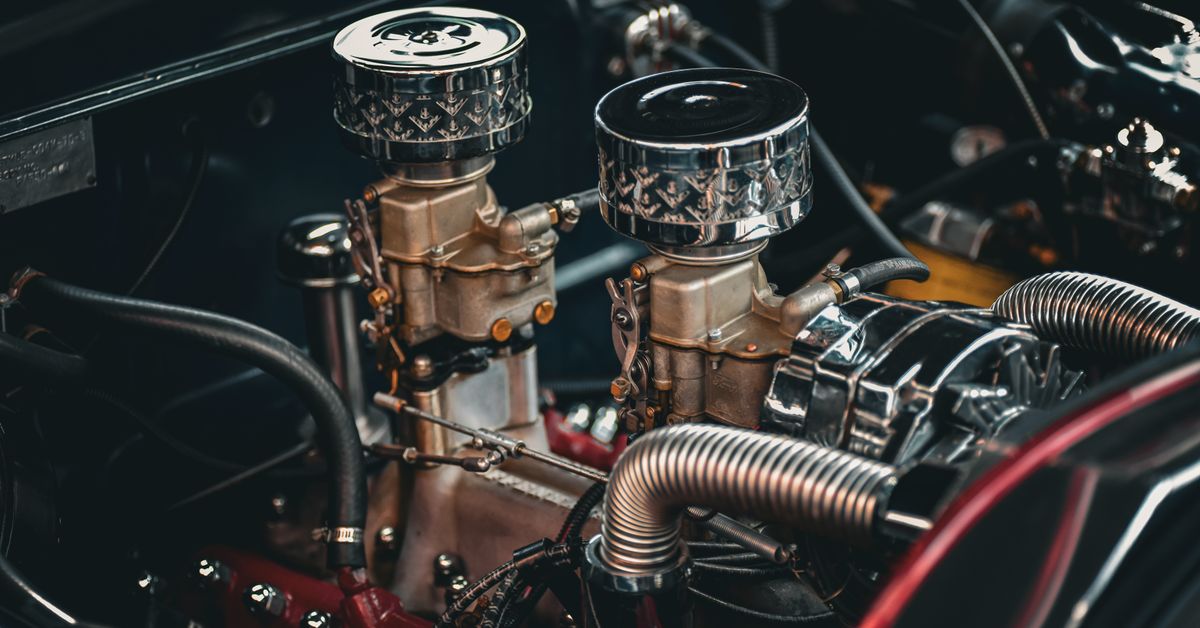
How to research your classic car part via VIN
The Vehicle Identification Number (VIN) is the key to correct parts identification for US cars. It contains information about the factory, model year, engine, and often the trim level as well. For older classic cars, the VIN is not always as descriptive as it is for newer vehicles, but in combination with other data (chassis number, option codes, manufacturer plate), compatibility can be determined much more accurately than via "year plus model name."
At US-Parts24, this is the first step: You send us your VIN and the details of the part you are looking for; we compare this with the appropriate manufacturer data and check the options personally before a price is even quoted. This way, you avoid bad buys before they happen.
Calculating costs and delivery times realistically
When it comes to classic US car parts, there is no blanket answer to "How much does it cost?" or "How long does it take?". A common wear part for a popular Mustang is calculated differently than a rare body panel for a niche model of which only a few examples still exist.
What you should realistically plan for: Research and procurement from the USA take time—don't expect it to be "quickly ordered and there in a few days." Between the request, verification, import, and arrival at your place, it usually takes several weeks, depending on availability in the USA and customs clearance.
The better way: Check first, then provide a fully calculated price that already includes shipping, customs, and import—so that you know where you stand in the end, instead of experiencing unpleasant surprises later.
Request parts via VIN – send us your vehicle data and the part you are looking for, and we will handle the research, verification, and procurement for your classic US car.